Landmark case for Asbestos exposure at school

Workers exposed to low levels of asbestos dust have been given the green light to launch claims for compensation following a landmark ruling in the Supreme Court in March 2011
One of the country’s leading legal experts in this area said he expects compensation claims to rise significantly with people involved in a wide range of trades now set to pursue a claim.

In the past, workers in trades where asbestos was widespread, such as shipbuilding and engineering provided the bulk of claims but now office workers, teachers and lab technicians are set to make a stand.

The Supreme Court has awarded compensation to the family of Dianne Willmore, who died of mesothelioma, an asbestos cancer, after having small doses of asbestos dust while she was at school. She was diagnosed at the age of 46. Before she died, Willmore gave evidence at court that she had exposure to asbestos while a pupil at Bowring Comprehensive School in Merseyside.

She remembered council workmen removing ceiling tiles to re-route cables; schoolmates removing ceiling tiles to put blazers into the ceilings as a prank; and vandalised stacked tiles in the girls’ toilets. Some of these tiles turned out to contain asbestos.

The judge at Liverpool High Court found in her favour and awarded her £240,000 less DWP Benefits. The council appealed to the Court of Appeal. Three judges in the Court of Appeal said that the case should not be overturned. Willmore died the day after the decision was made. More than 75% of schools in the country contain asbestos, with most containing the more dangerous types. A Medical Research Council report stated: “It is not unreasonable to assume, therefore, that the entire school population has been exposed to asbestos in school buildings.”

In the last 10 years, more than 140 school teachers have died of mesothelioma, as well as teaching assistants, caretakers, cleaners, school secretaries and nursery nurses. If school staff are being exposed to asbestos, then so are the children in their classes. However, because of the long latency there are no records of the number of children who have subsequently died.

LK Management completes Fire Station Project

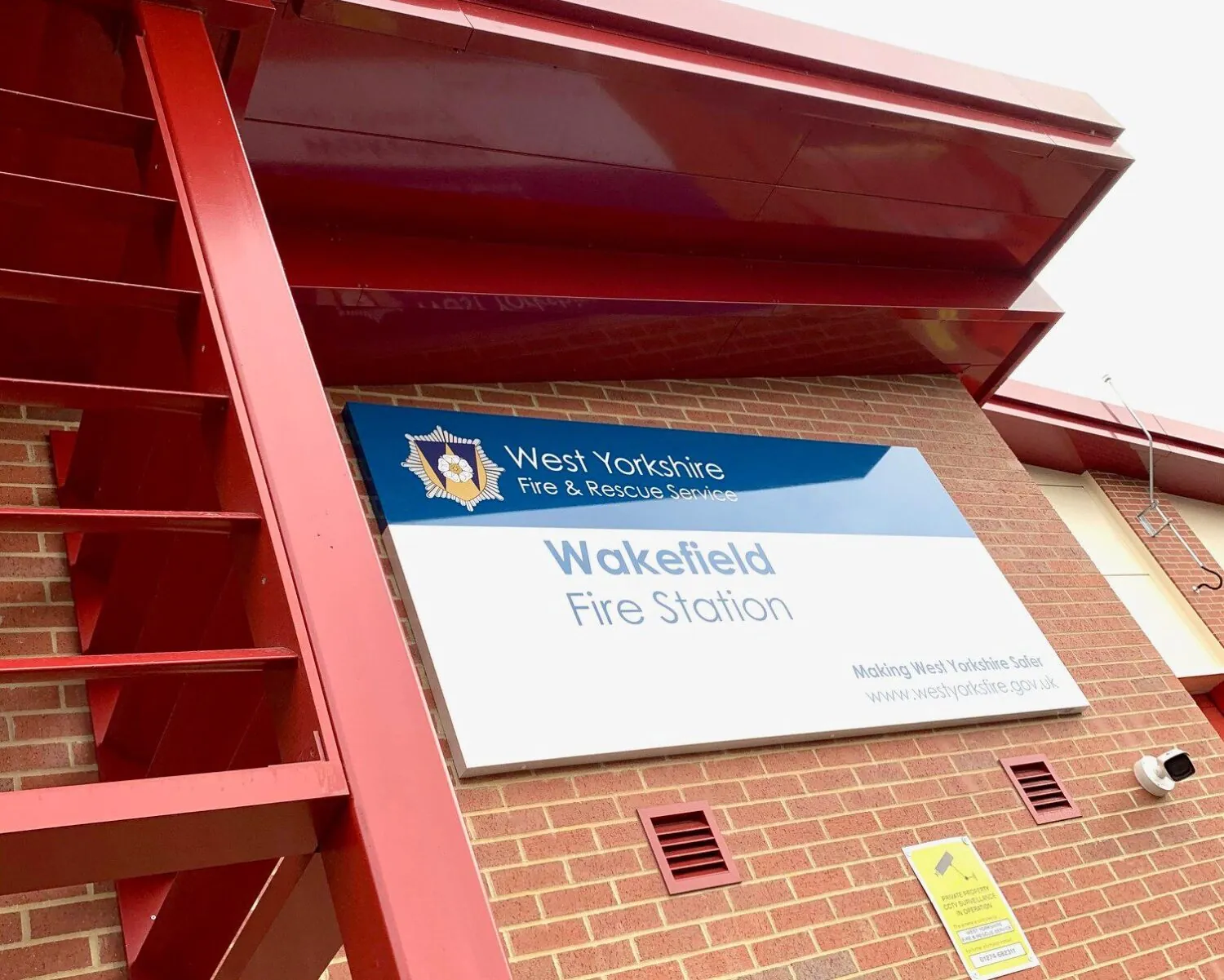
LK Management has just completed a project with West Yorkshire Fire Service to refurbish and improve the existing Hunslet Fire Station in Leeds. The refurbishment included a complete re-roof and new insulation, window renewal, new mechanical and electrical equipment including a new efficient boiler, internal decoration and solar panels.

LK Management’s role of client advisor was to oversee the design team and assist the fire service with the programming of these extensive works to a fire station that remained live throughout the works.

24
May 2011
POSTED BY admin
DISCUSSION 0 Comments

Grangegorman, Dublin – Invasive Plant Company

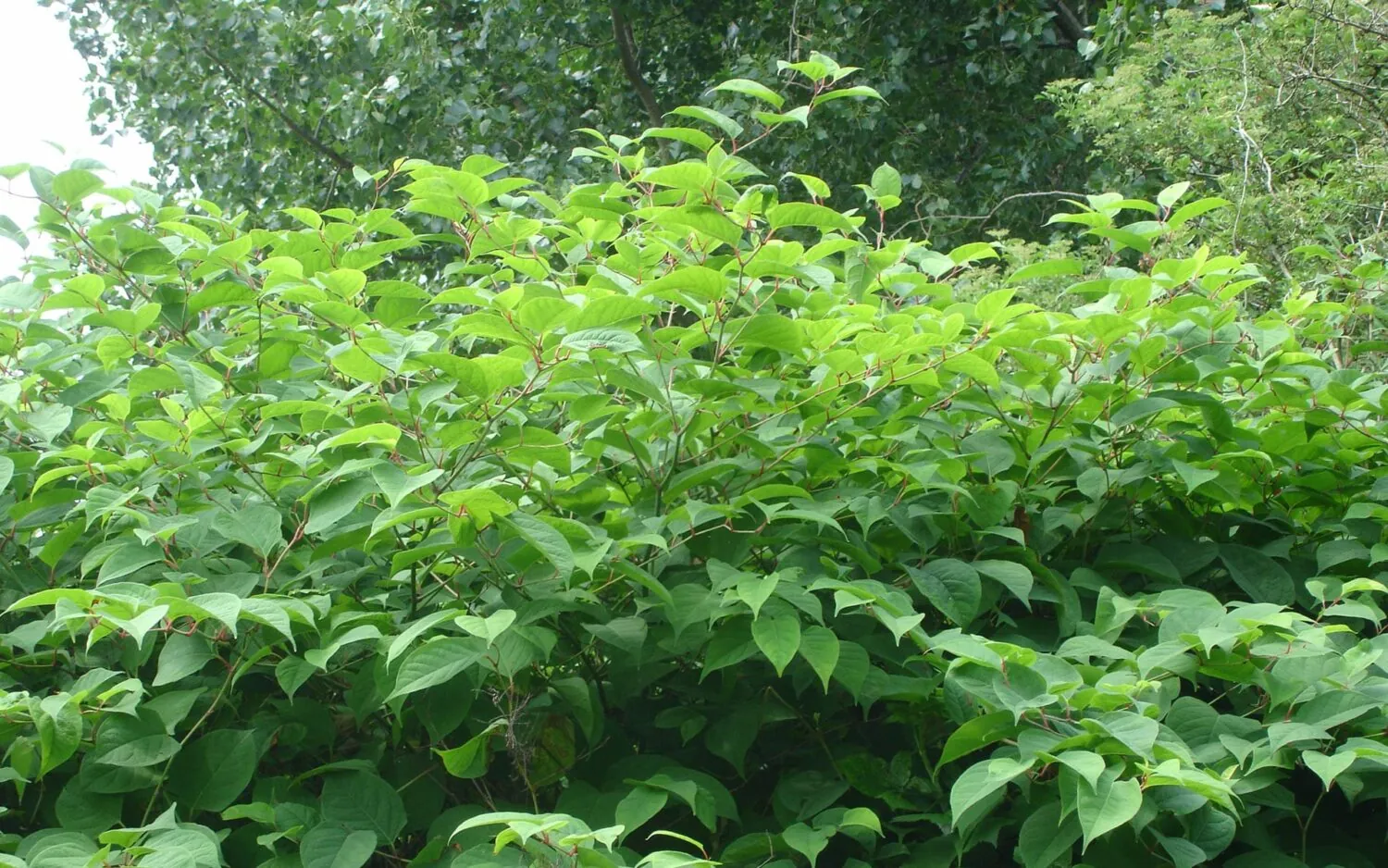
The Invasive Plant Company (IPC) have recently completed phase one of a considerable Giant Hogweed and Japanese Knotweed remediation project on a proposed hospital site in central Dublin.

The works represent the largest Invasive Weed project in Ireland and the site will eventually provide a number of large University and Research buildings linked with the University of Technology and the existing St Brendans Hospital

Energy Monitoring and Retrofit Projects Gather Pace

The last few months have seen the expansion of LK’s activity in the field of energy monitoring and retrofit. The Group has been involved in projects across a wide geographical radius and property portfolios that range from single houses to entire developments. The LK Group have developed their own “complete approach” to energy retrofit that involves,

  • energy usage monitoring
  • physical building surveys
  • thermal imaging
  • energy modelling of buildings
  • retrofit scenario modelling
  • asbestos awareness training and surveying for retrofit
  • validation and testing of the retrofit works
  • follow up monitoring and training programs

Commenting on the Group’s current retrofit projects, LK Managing Director, Scott Elliott said “we are seeing some really interesting results from both our energy monitoring programs and the retrofit scenario modelling that we carry out. It is increasingly apparent that broadbrush retrofit programs do not work.”

24
May 2011
POSTED BY admin
DISCUSSION 0 Comments

Is funding on the tip?

Challenging times are ahead for Government agencies with the need to achieve savings across the board due to the economic downturn. With the changing of Government what does this mean for the contaminated land sector with regards to Part 2A funding and dealing with contaminated land through planning?

Identifying and dealing with contaminated land is a statutory function through the Environmental Protection Act 1990. Existing sites are identified, prioritised and investigated under Part 2A of the Act, whereas new developments are managed through planning and building control guidance notes (Policy Planning Statement: 23 and Building Control Approved Document C respectively).

This statutory function should be serviced by the Government, but with regards to planning this is dealt with locally by senior management who determine what slice of the dwindling money cake they divert to contaminated land. In future, as belts tighten some may rely on a skeleton staff, while others maintain existing staff levels, depending upon what importance individual Local Authorities place on “contaminated land”.

Defra, the Government Department that funds Part 2A work is in a state of flux with a requirement to make substantial savings. Capital Grant funds previously ring fenced from Defra for contaminated land have recently been removed and will now be halved to £7.5 million. It is now likely that Defra will award future funding only for sites likel;y to be determined as Part 2A, to demonstrate to the tax payers that they are getting value for money. It will not be a surprise if Local Authorities may have to share the burden for remediation, which could limit the numbers applying for funding as the Local Authority budget is reduced.

Challenging times are ahead for us all, but Local Authorities should not be exempt from streamlining as any business in the private sector understands. Contaminated land is a highly scientific multi-disciplined subject whose funds should be ring fenced. However, if the powers that be do not consider it a priority, a reduction in contaminated land staff may lead to substantial backlogs of planning applications that will need to be discharged.

LK Consult is already working with and on behalf of Local Authorities to assist in the undertaking of Part 2A investigations and the reviewing of planning related reports. A number of our consultants have regulatory experience and understand what is required to successfully discharge contamination related planning conditions and are therefore in a strong position to aid beleaguered regulators with the backlog of planning applications that they may soon face.

10
Jan 2011
POSTED BY admin
DISCUSSION 0 Comments
TAGS